

product feature
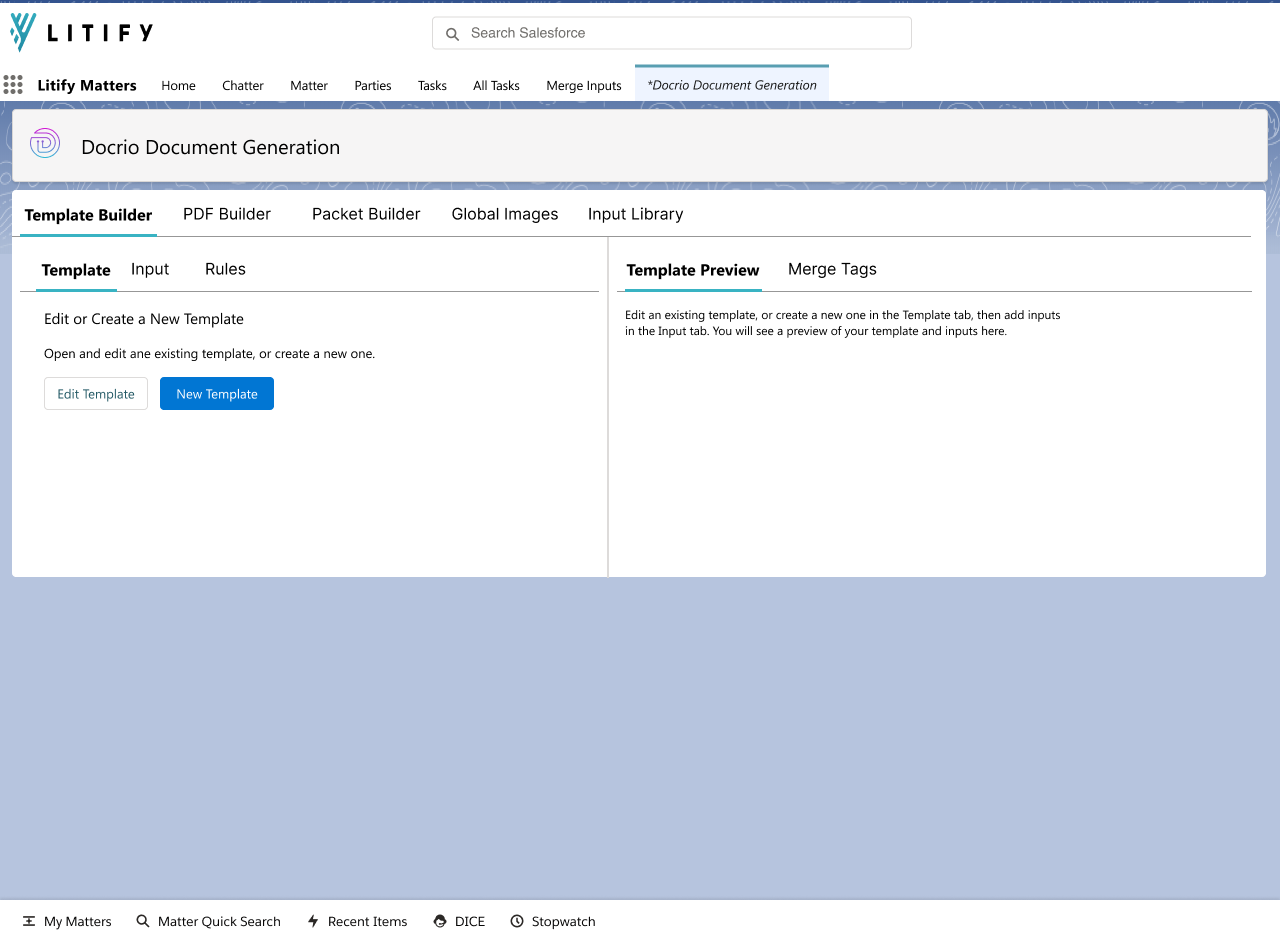
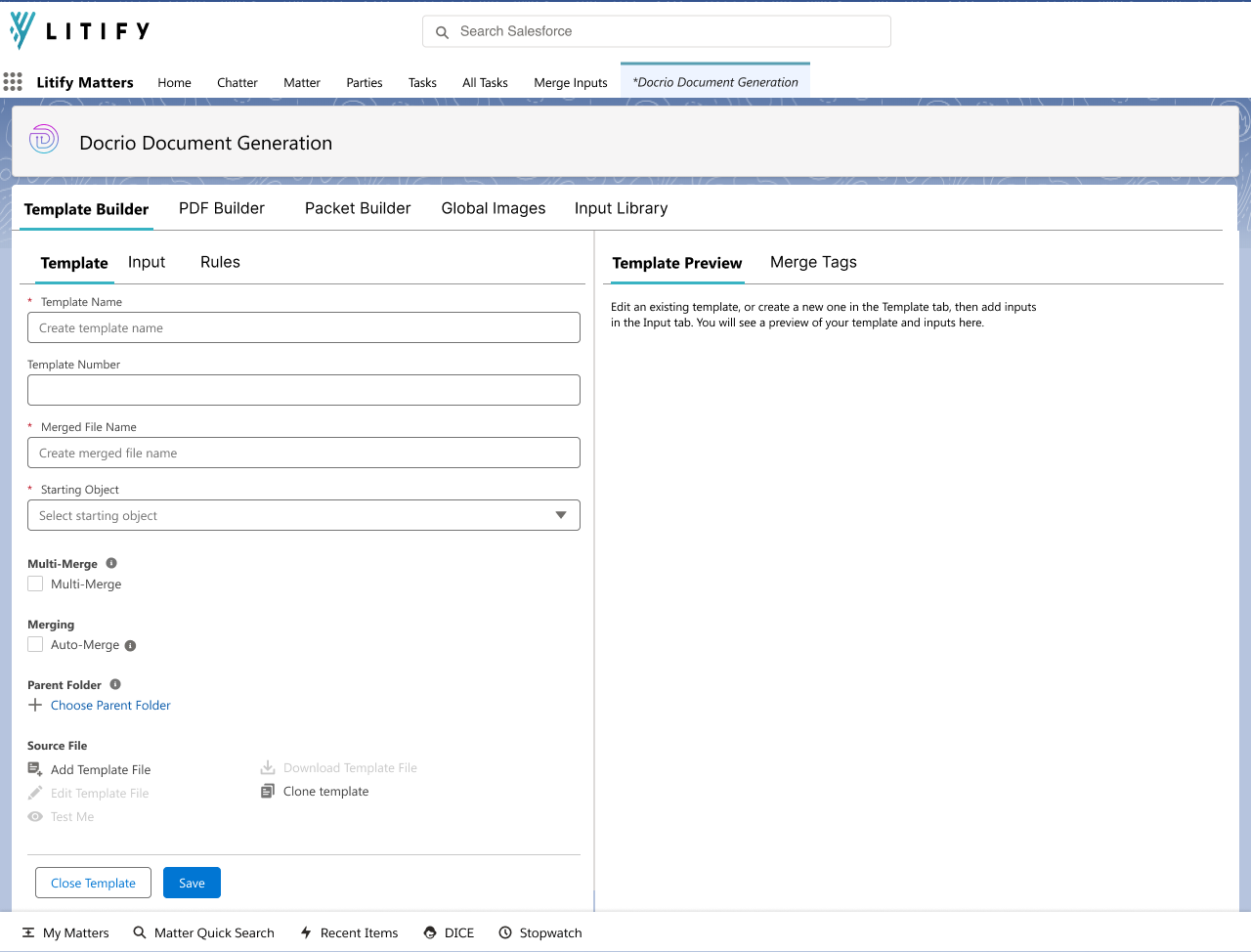
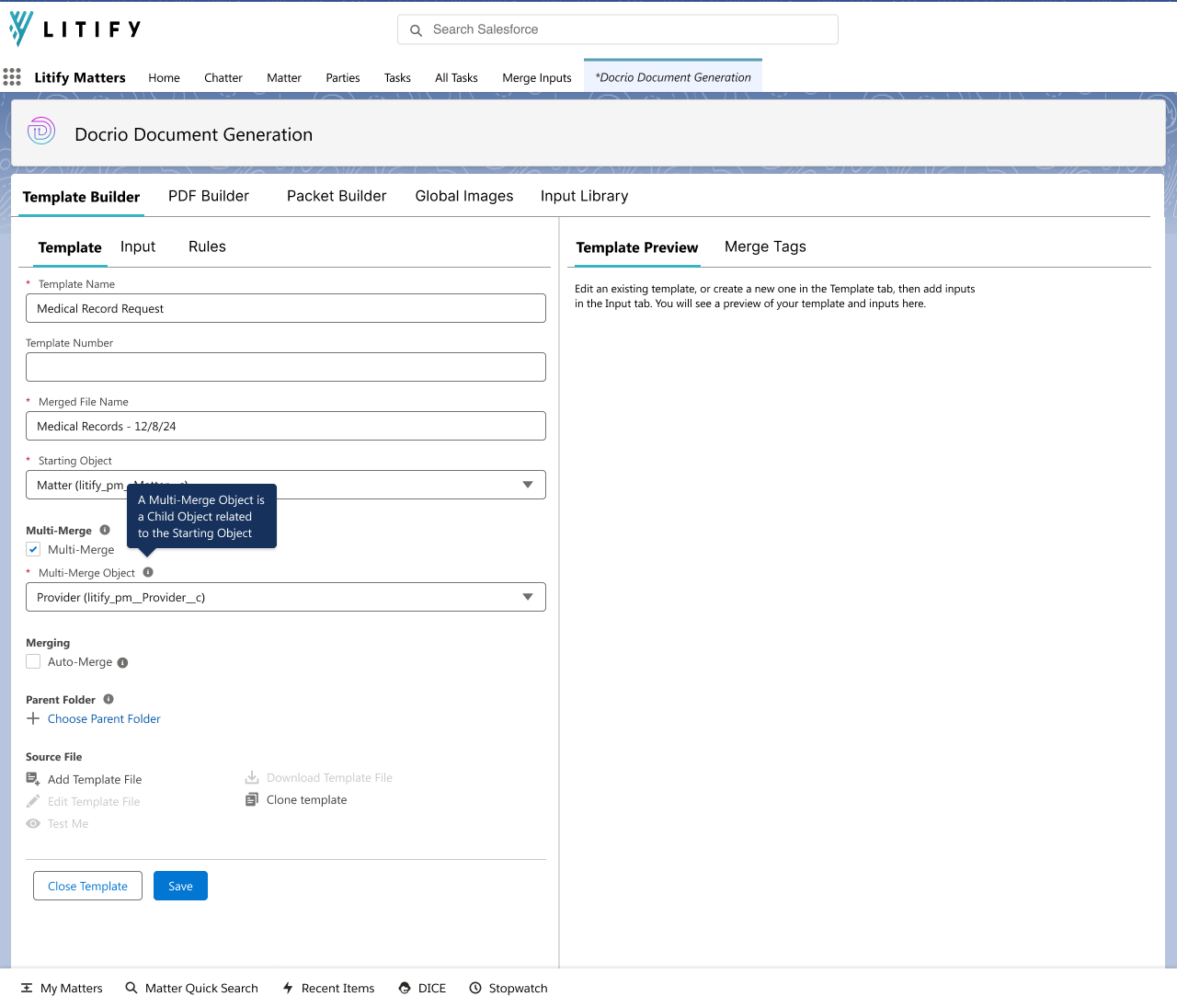
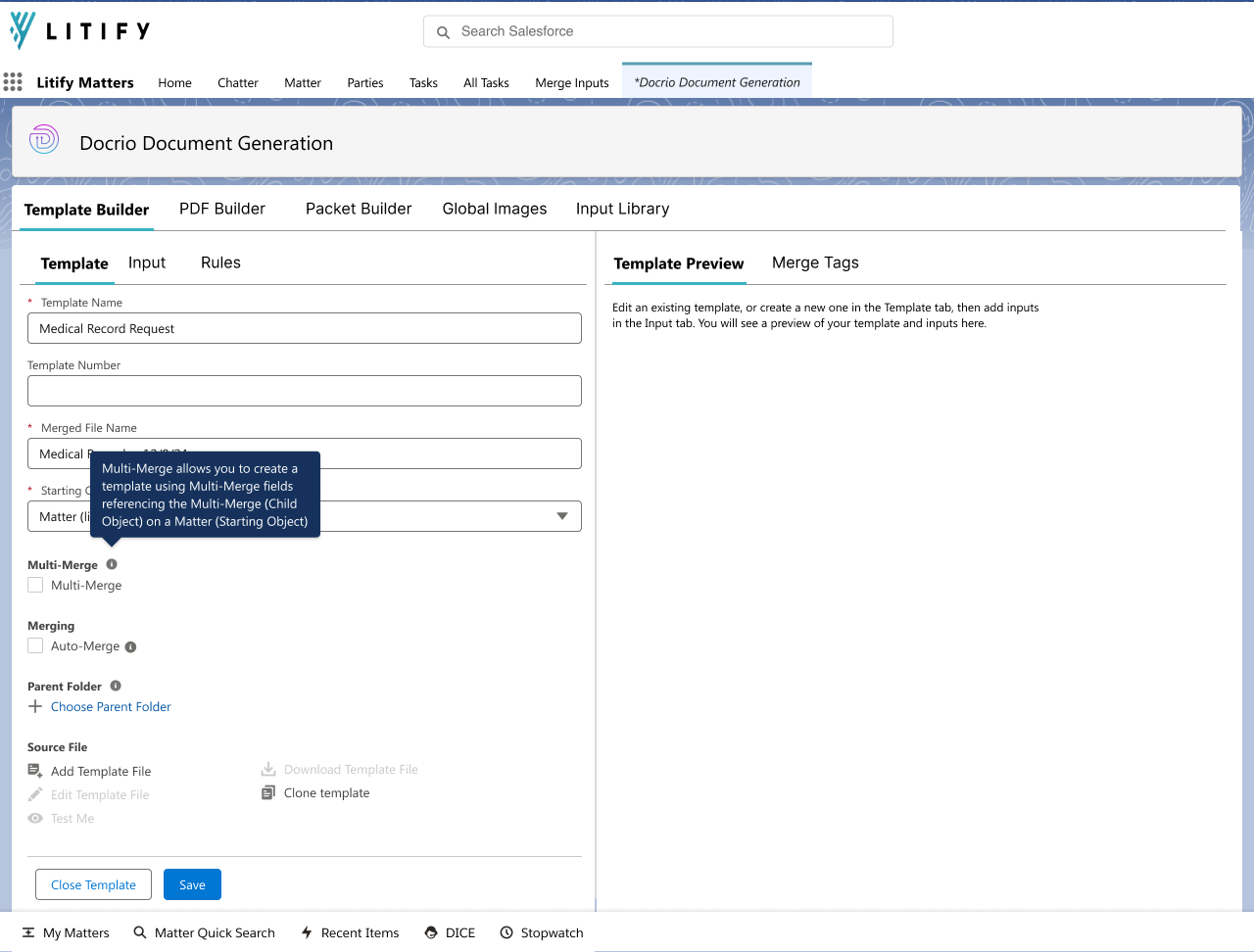
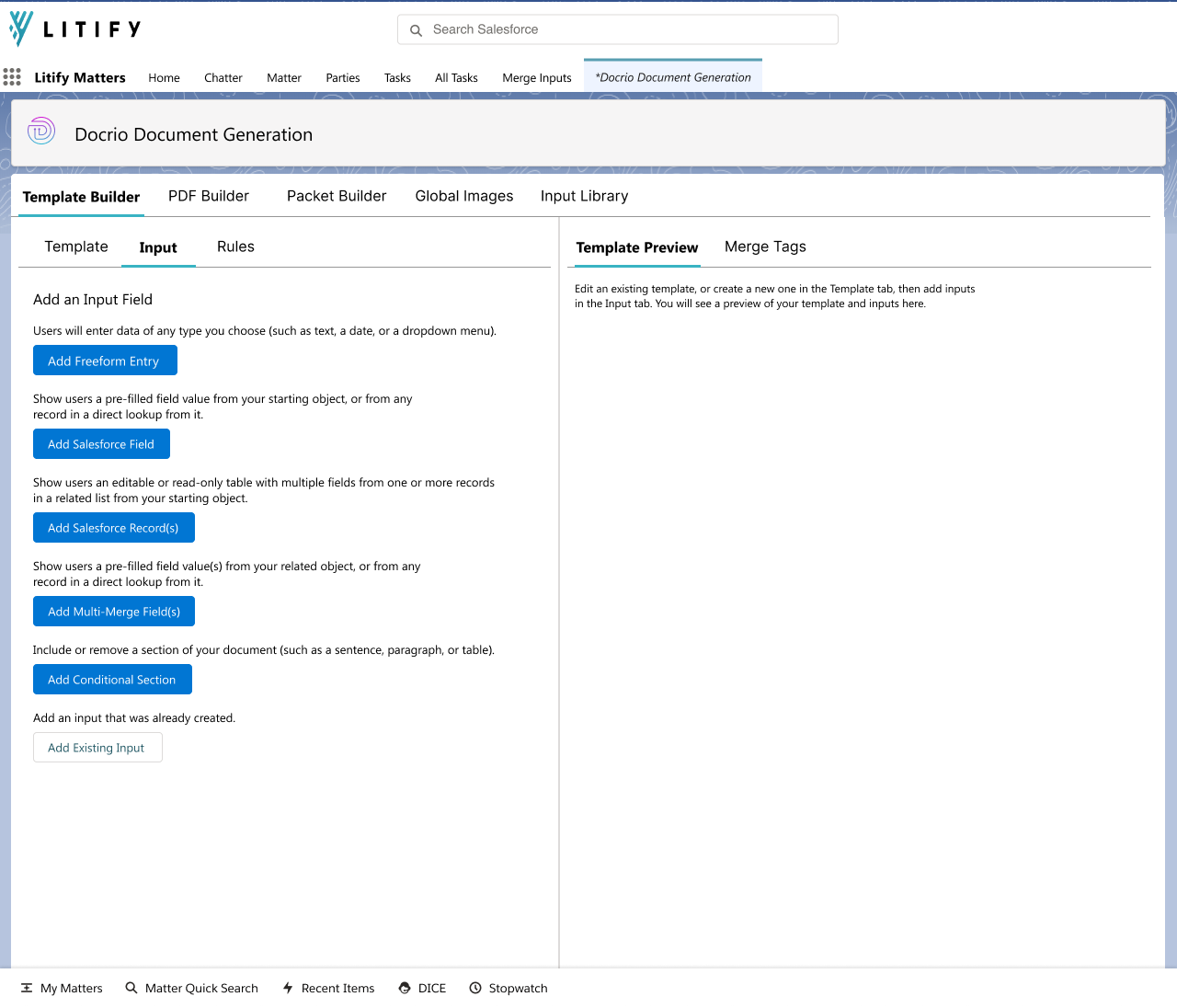
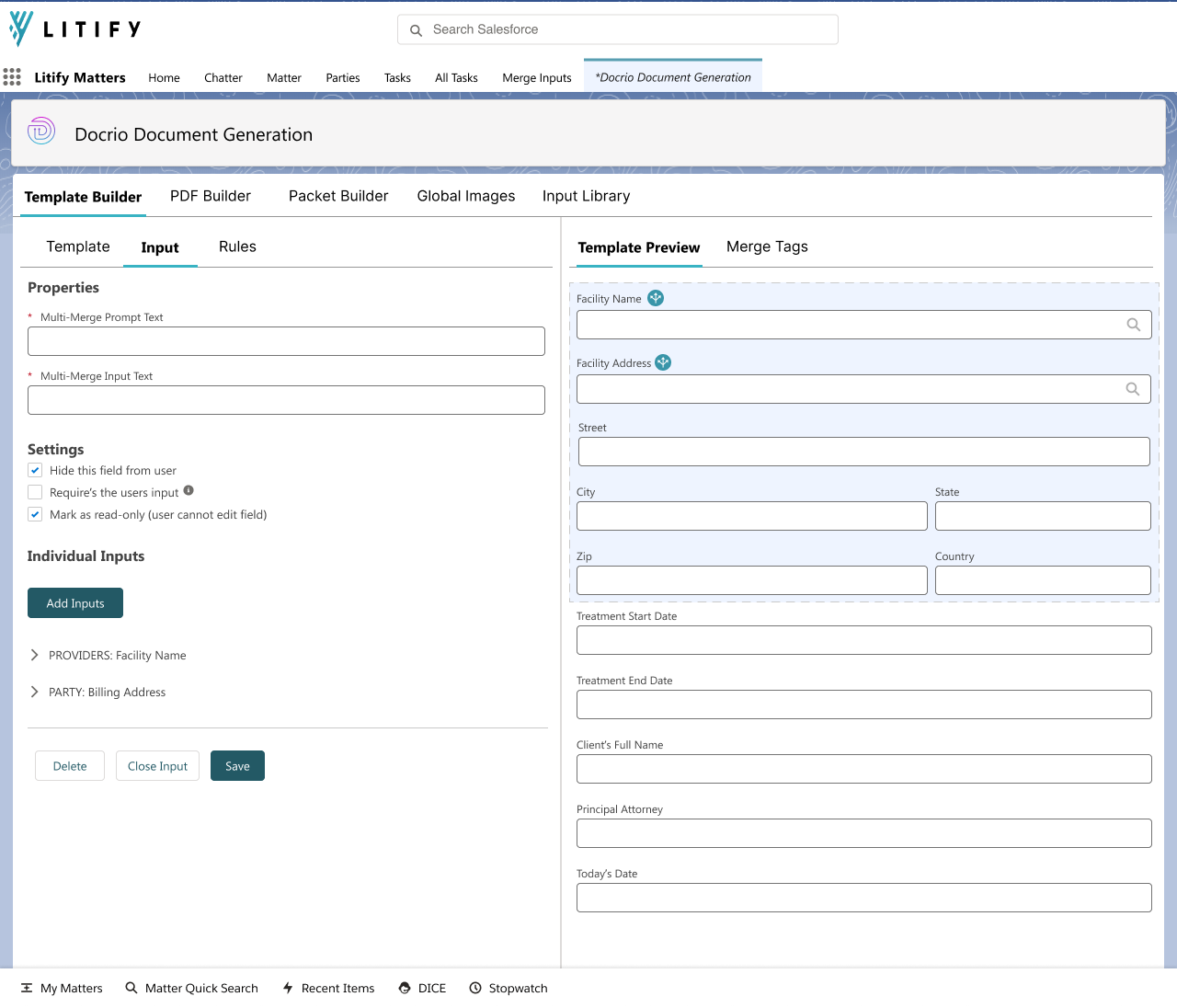
Multi-Merge
Pulls data from Salesforce objects and related records to generate smarter documents – so Insurance Defense and Plaintiff firms spend less time assembling and more time moving cases forward.
Use case
Paralegals generating multi-party litigation documents can merge data from Salesforce cases and related records to instantly produce accurate, complete documents.
-
Merging documents can be a very time consuming process.
It’s not possible to generate complete documents – that have all of the data they need without having to manually apply data housed in Salesforce, and when you’re creating 30 files a client daily. -
Create a way to allow users to pull data from the parent object in Salesforce as well as a related child object
This enables admins to set up templates that can work harder for their staff.
Streamlines user work flow by reducing the need to individually merge documents and enable bulk merges for the same template.
-
This feature saves users invaluable time generating daily documents
The Process
Design is fundamentally a user-focused approach to solving problems for users.
-
In this phase of the design process, we gather as much context as possible around the problem we’re solving.
We conduct interviews with both internal stakeholders and external users to ensure we’re seeing the full picture from every angle.
Insights from this phase – including research findings and competitive analysis – are synthesized into a readout document. This readout is a living reference that guides decisions and keeps the project aligned through completion.
-
During this phase, we translate insights from discovery into thoughtful design solutions that directly address the problems identified.
Once the design direction is stable, we share initial concepts with engineering to confirm technical feasibility and align on timing estimates.
-
At this stage, we validate that the design decisions fully meet the client’s needs and confirm the feature is ready for adoption as designed.
If any concerns or gaps are identified, we incorporate that feedback and refine the design accordingly.
-
At this stage, we review the initial design with Engineering to confirm technical feasibility. Any constraints or recommendations are incorporated into the design before moving forward.
While engineers build the feature – UX will review and create bug tickets as needed
Admin Experience
End User Experience